Case Study: BTS Light Sticks – Connecting Fans Across Borders
BTS’s ARMY Bomb light stick exemplifies how digital innovation fosters global fan engagement. This case study explores its role in virtual concerts, intercultural connections among fans, and ethical challenges like affordability, sustainability, and commercialization in K-pop’s growing influence.
Key Aspects
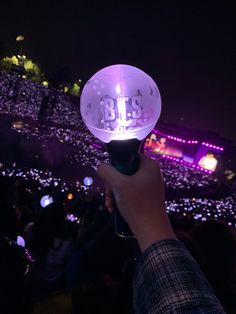
Exploring fan dynamics and how they feel compelled to buy merchandise and light sticks.
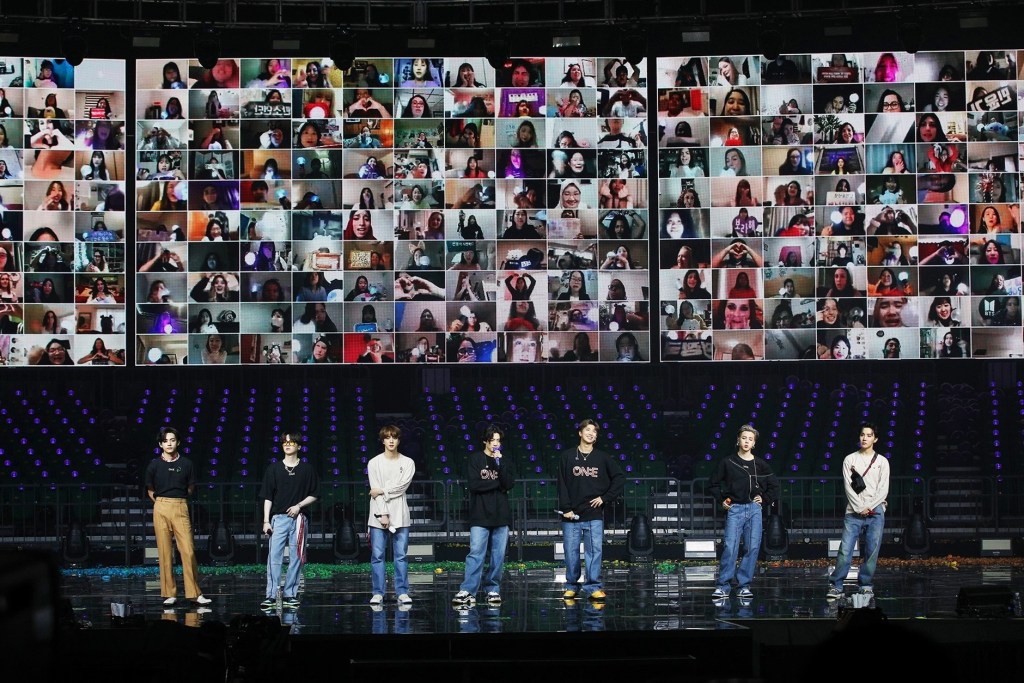
How the use of light sticks also creates digital divide among fans who can and cannot buy them and integrate them with their concert virtual experience.

The unexpected virtual concerts and how they changed the way idols engage with fans.
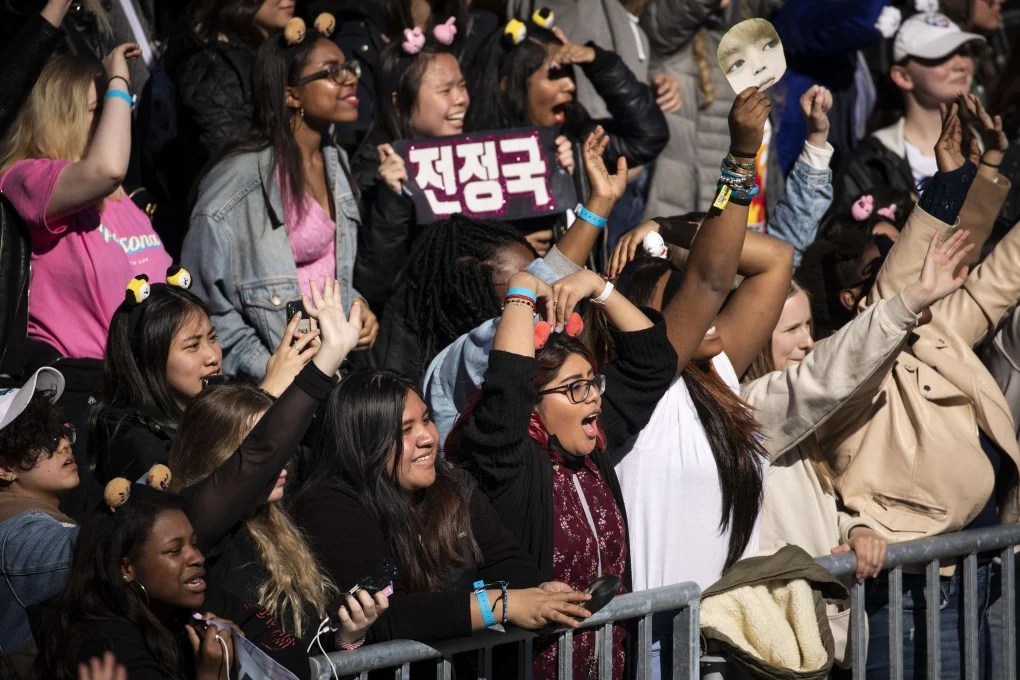
Highlighting the fan engagement from intercultural communication perspective. The idea is to see how fans with language barrier communicate and sing all Korean songs perfectly.
BTS Light Sticks: Digital Unity Across Cultures
The Bangtan Boys, popularly known as BTS, have redefined fan engagement through innovative use of technology. At the core of this phenomenon lies the ARMY Bomb, a custom light stick that symbolizes unity, identity, and shared experiences among fans. This case study explores the digital, intercultural, and ethical dimensions of BTS light stick usage during virtual concerts, especially during the COVID-19 pandemic.
- Digital Media and the Rise of Light Sticks
- Light sticks have evolved from simple concert accessories to essential digital tools of fandom.
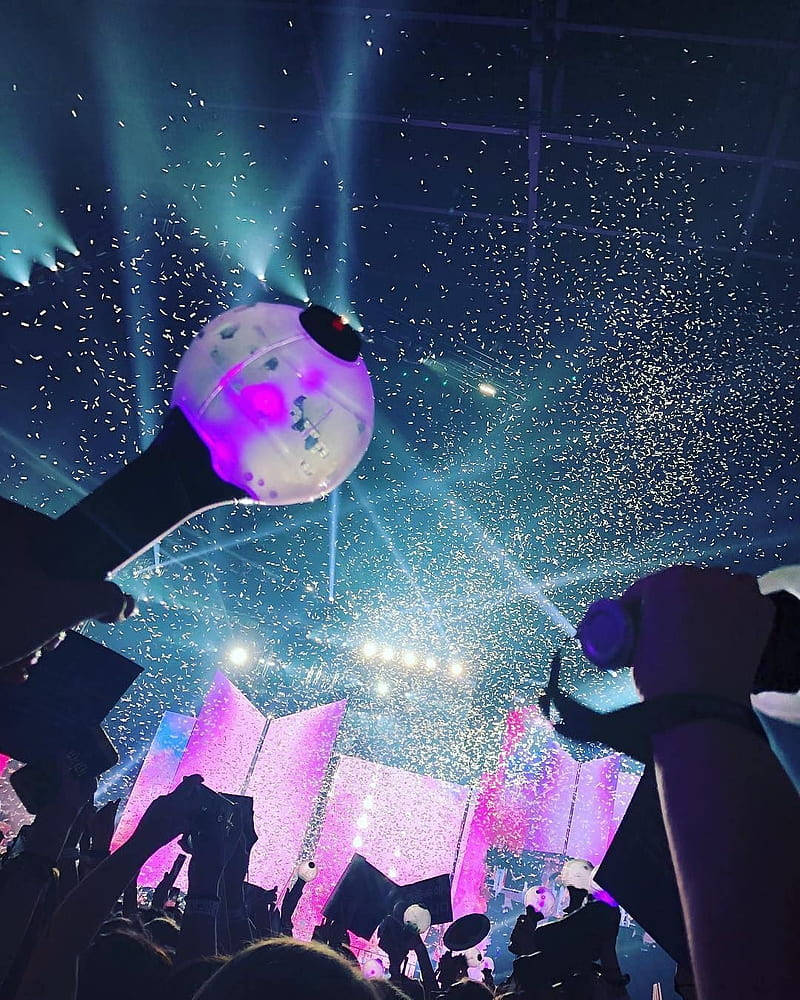
- BTS’s ARMY Bombs are integrated with a mobile app that enables fans to synchronize their light sticks with live performances, creating a unified visual spectacle, whether in-person or virtual.
- During the pandemic, platforms like Weverse and YouTube Live allowed fans to connect globally, participating in synchronized light displays and fan chants from their homes.
- This integration highlights the role of digital innovation in keeping fans engaged and enhancing concert experiences despite physical distances.
- Light sticks have evolved from simple concert accessories to essential digital tools of fandom.
- Intercultural Communication Among Fans
- BTS’s global fan base, ARMY, exemplifies intercultural communication as fans collaborate across linguistic and cultural barriers.
- For virtual concerts, fans shared resources like translated fan chant guides and tutorials for syncing their ARMY Bombs, often through social media platforms.
- Virtual watch parties became spaces for cultural exchange, where fans learned about each other’s traditions and experiences.
- The shared practice of fan chants, a cultural hallmark of K-pop, transcended borders as fans collectively embraced Korean lyrics and performance rituals.
- BTS’s global fan base, ARMY, exemplifies intercultural communication as fans collaborate across linguistic and cultural barriers.
- Ethical Considerations
- The increasing reliance on light sticks raises economic and accessibility concerns. Official light sticks are often costly, making it challenging for all fans to participate equally.
- Environmental issues also emerge from the production, shipping, and eventual disposal of light sticks, which could contribute to e-waste.
- The commercialization of fan culture—exemplified by the marketing of light sticks—poses ethical questions about whether fan engagement is driven by genuine connection or monetization.
- These concerns underline the need for sustainable and inclusive approaches to fan engagement.
- The increasing reliance on light sticks raises economic and accessibility concerns. Official light sticks are often costly, making it challenging for all fans to participate equally.
The BTS ARMY Bomb serves as a testament to the innovative fusion of digital technology, intercultural unity, and fan engagement. It has brought fans closer to their idols and to each other, fostering a sense of belonging. However, it also raises questions about the ethics of fan-idol relationships in the digital age. As K-pop’s influence grows, so does the responsibility to balance inclusivity, sustainability, and authenticity in fan culture.
This case study invites a broader conversation on how innovation in fan culture can evolve responsibly, ensuring it remains a source of joy and connection for all fans.
 K-Pop Sphere